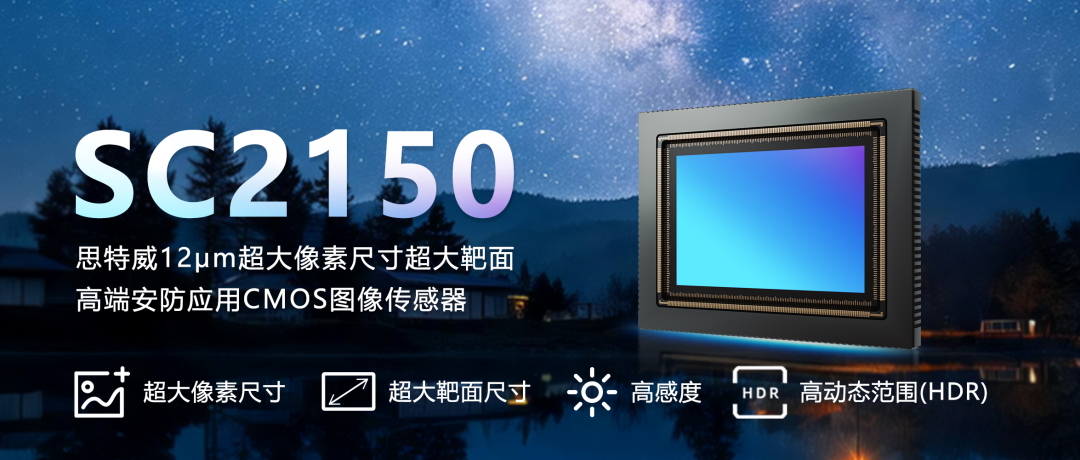
Industrial security teams in Singapore frequently struggle with dark perimeter video feeds. While modern 4K commercial cameras deliver sharp footage under daylight, their night-time performance often collapses into murky silhouettes and motion blur. The recent unveiling of the SmartSens SC2150 image sensor, detailed in the SmartSens SC2150 technical release, signals an important shift toward optical physics: utilizing a 12-micrometer ultra-large pixel design to collect raw photons rather than relying on heavy digital noise reduction.
For perimeter monitoring across Jurong industrial estates, Tuas shipping yards, Kranji open compounds, and Changi logistics parks, understanding how sensor pixel dimensions impact real-world surveillance helps site managers choose the right hardware for challenging outdoor conditions.
The Optical Trade-off: Pixel Size Versus Megapixel Counts
Most budget commercial cameras squeeze 8 million pixels onto tiny 1/2.8-inch sensor chips, resulting in individual pixel dimensions smaller than 2 micrometers. When ambient light drops after sunset, tiny photodiodes capture insufficient photons. The camera processor attempts to compensate by pushing digital gain, which introduces heavy grain, reduces edge contrast, and causes moving vehicles or walking personnel to appear as illegible smears.
A 12-micrometer pixel captures significantly more physical light per photodiode unit area. This larger photon capture area allows surveillance cameras paired with telephoto lenses to generate usable, crisp images under low lux conditions without relying on aggressive software sharpening. For long-distance perimeter fences where optical clarity determines whether an incident is identifiable, physical sensor size matters far more than marketing resolution numbers. In practical field tests across an 80-meter fence line, large-pixel optics retain facial contours and clothing textures where small-sensor cameras show only gray static.
Managing Singapore Night Rain and High Humidity Glare
Outdoor surveillance in Singapore faces intense tropical humidity and frequent heavy evening downpours. Conventional night cameras rely on built-in ring infrared illuminators positioned around the lens. In heavy rain, infrared beams reflect directly off water droplets, producing blinding white halos and washing out the foreground entirely.
Large-pixel sensors feature elevated near-infrared quantum efficiency across both 850-nanometer and 940-nanometer wavelengths. Because the sensor itself gathers light efficiently, technicians can turn off lens-mounted infrared rings and instead deploy separate illuminators mounted several meters away from the camera housing. This physical separation prevents raindrop backscatter and keeps security lines clear during severe monsoon squalls. Using anti-reflective front glass with hydrophobic coatings prevents persistent condensation during early morning humidity peaks.
Handling High Dynamic Range Under Industrial High-Bay Lighting
Commercial yards and loading docks present extreme lighting contrast. Brilliant floodlights and forklift headlights shine directly toward camera poles, while storage bays behind cargo containers remain shrouded in dark shadow. Standard camera sensors expose either for the floodlight, turning shadows into pitch black, or expose for the darkness, blowing out headlights into blinding white flares.
Deploying sensors equipped with multi-exposure staggered high dynamic range, such as 2-exposure SHDR reaching dynamic ranges up to 100 decibels, captures short and long exposures simultaneously. The camera preserves license plate reflective film under direct illumination while retaining detail on personnel moving through shadowed container alleys.
Field Cabling and Mounting Best Practices
Maximizing high-end surveillance hardware requires clean on-site installation workmanship. Outdoor camera assemblies mounted on perimeter poles should connect through pure copper 23 AWG Cat6 ethernet cabling pulled through galvanized iron conduit or rigid weatherproof PVC trunking to prevent water ingress and electrical interference. Every outdoor junction box must use IP67-rated compression cable glands to keep tropical moisture from corroding terminal connections.
Power over Ethernet switches supplying PoE+ power must connect to dedicated battery backup uninterruptible power supplies inside ventilated server cabinets. This prevents power fluctuations during regional lightning activity from dropping camera feeds when outdoor visibility is most critical. Grounding poles with copper earth rods prevents transient surge spikes from traveling back along network cables into central switch racks.
Complete Commercial Security Solutions with Synoviz
Synoviz delivers end-to-end security and technology infrastructure for commercial buildings, factories, warehouses, and offices throughout Singapore. Our core expertise spans high-definition CCTV camera installation, biometric door access systems, structured cabling and trunking, and enterprise Wi-Fi networks.
Our experienced technical team conducts thorough on-site property surveys, recommends cost-effective commercial hardware, and manages full cabling installation, testing, and preventive maintenance. To arrange a site inspection for your facility or upgrade an existing camera installation, contact the Synoviz WhatsApp at +65 8933 1660 or email sales@synoviz.com.