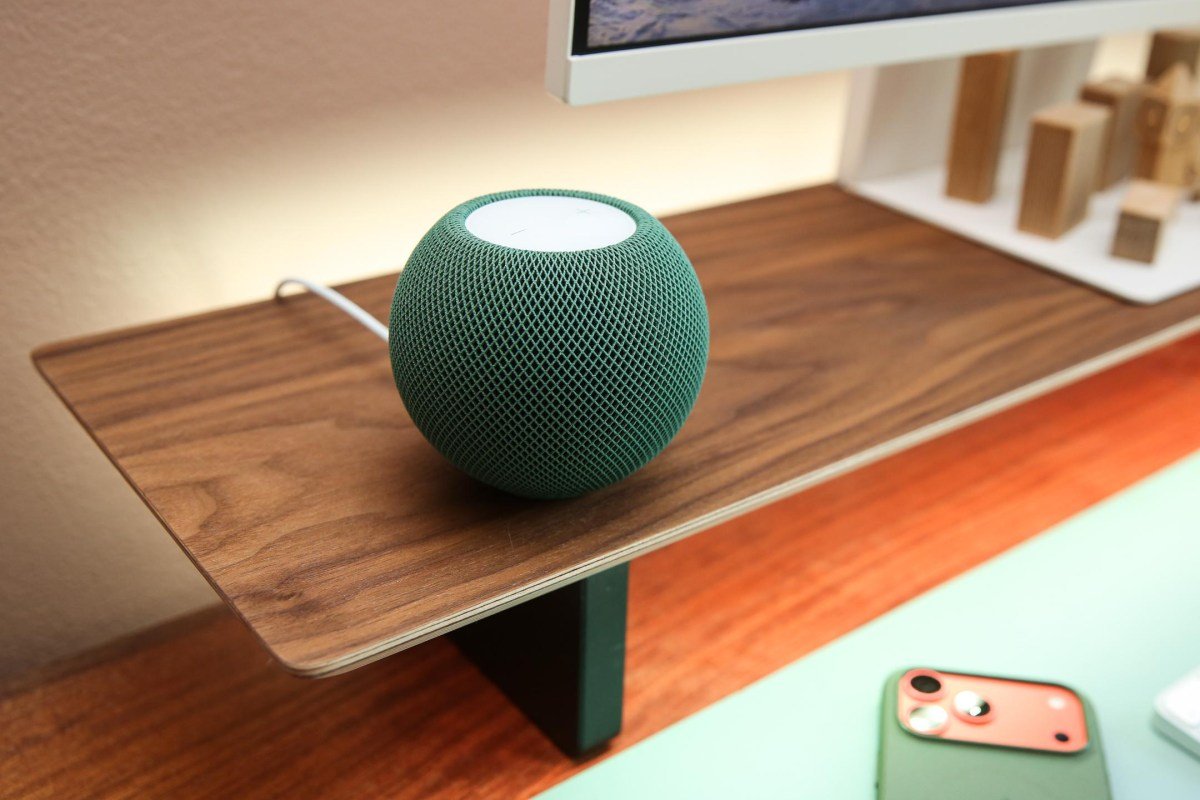
Designing a dependable smart lighting installation in Singapore requires more than screwing in connected light bulbs or plugging in decorative designer luminaires. While standalone products like the popular Ikea Varmblixt smart lamp show how ambient fixtures create cozy interiors, relying entirely on disconnected smartphone apps leads to frustration when switches get turned off at the wall. A functional lighting system integrates ambient accent lights, overhead architectural downlights, and wall switches into an automated network that responds predictably to daily routines.
Residential apartments, shophouses, and retail boutiques across Singapore share common structural constraints that directly affect wireless lighting performance. Dense reinforced concrete structural columns, solid precast walls, and metal bomb shelter doors absorb radio signals. When a lighting gateway sits in an entrance hallway, signals often fail to reach bedrooms or rear utility corridors without strategically positioned mesh repeaters. Planning physical routing before buying hardware prevents dropped commands and unresponsive lamps.
Key Stages of Smart Lighting Installation in Singapore Retrofits
The single most frequent hurdle in local lighting retrofits involves switch gang boxes lacking neutral wires. Older apartments in Singapore were traditionally wired using simple live-loop circuits, bringing only a live wire and switched load lines to the wall box. Smart switches require continuous micro-power to maintain their Zigbee or Thread radios while lights are switched off. Using battery-powered modules inside switch boxes means replacing coin cells every six to twelve months, which quickly becomes tedious in commercial spaces or large homes.
Running a fresh neutral wire from the ceiling lighting point down into each switch box provides permanent power to wall controls. When wall switches retain power, family members and guests can tap traditional rocker panels without cutting electricity to smart bulbs. Professional electricians pull dedicated neutral lines through existing conduit or install discreet slimline trunking, ensuring every switch point supports two-way dimming, scene toggles, and instant status reporting back to your central hub.
Building a Resilient Wireless Mesh Across Dense Concrete
Unlike Wi-Fi where devices communicate in a star pattern back to a central router, smart lighting protocols such as Zigbee and Matter-over-Thread function as mesh networks. Mains-powered lighting devices, including hardwired smart switches and plugged-in ambient lamps, act as mesh routers that pass signals along to distant nodes. Battery sensors and individual remotes operate as end devices that sleep between triggers.
Recent coverage on The Verge highlights how connected accent lights serve dual roles as decorative highlights and reliable network nodes. Placing mains-powered smart fixtures at hallway intersections and near doorway openings bridges wireless blind spots created by heavy concrete partitions. Our engineers map out radio coverage across your property, selecting optimal 2.4GHz channels that steer clear of overlapping office Wi-Fi networks to stop packet loss.
Integrating Ambient Fixtures with Commercial and Office Automation
Smart lighting installation in Singapore delivers real utility when tied directly into broader facility controls. In boutique offices, medical clinics, and retail storefronts, accent lamps and downlight banks can link directly to door access contacts and occupancy sensors. Tapping an access card at the main entrance in the morning can smoothly activate welcoming ambient lights, turn on air conditioning, and disable perimeter alarm zones.
At closing time, arming the main door switch can sweep all lighting circuits into low-power standby mode, cutting idle electrical draw without staff needing to check individual rooms. Pairing lighting controls with our broader commercial automation and security solutions creates an unified environment where surveillance, door access, and illumination work together. For specialized cable routing and cabinet distribution, our team delivers structured hardware installation and cabling services tailored to your interior design requirements.
Preventive Maintenance and Channel Optimization
Over time, neighbor Wi-Fi upgrades or newly added wireless peripherals can introduce frequency crowding on the 2.4GHz spectrum. Periodic system maintenance includes checking gateway signal logs, relocating mesh router nodes if signal attenuation increases, and testing physical wiring terminal tightness inside gang boxes. Inspecting LED driver heat dissipation inside false ceilings prevents premature diode failure in Singapore’s warm, humid climate.
A well-planned lighting setup combines practical physical switches with automated scene triggers that make everyday life simpler. To discuss your property layout and schedule a site assessment, contact the Synoviz WhatsApp at +65 8933 1660 or email sales@synoviz.com.