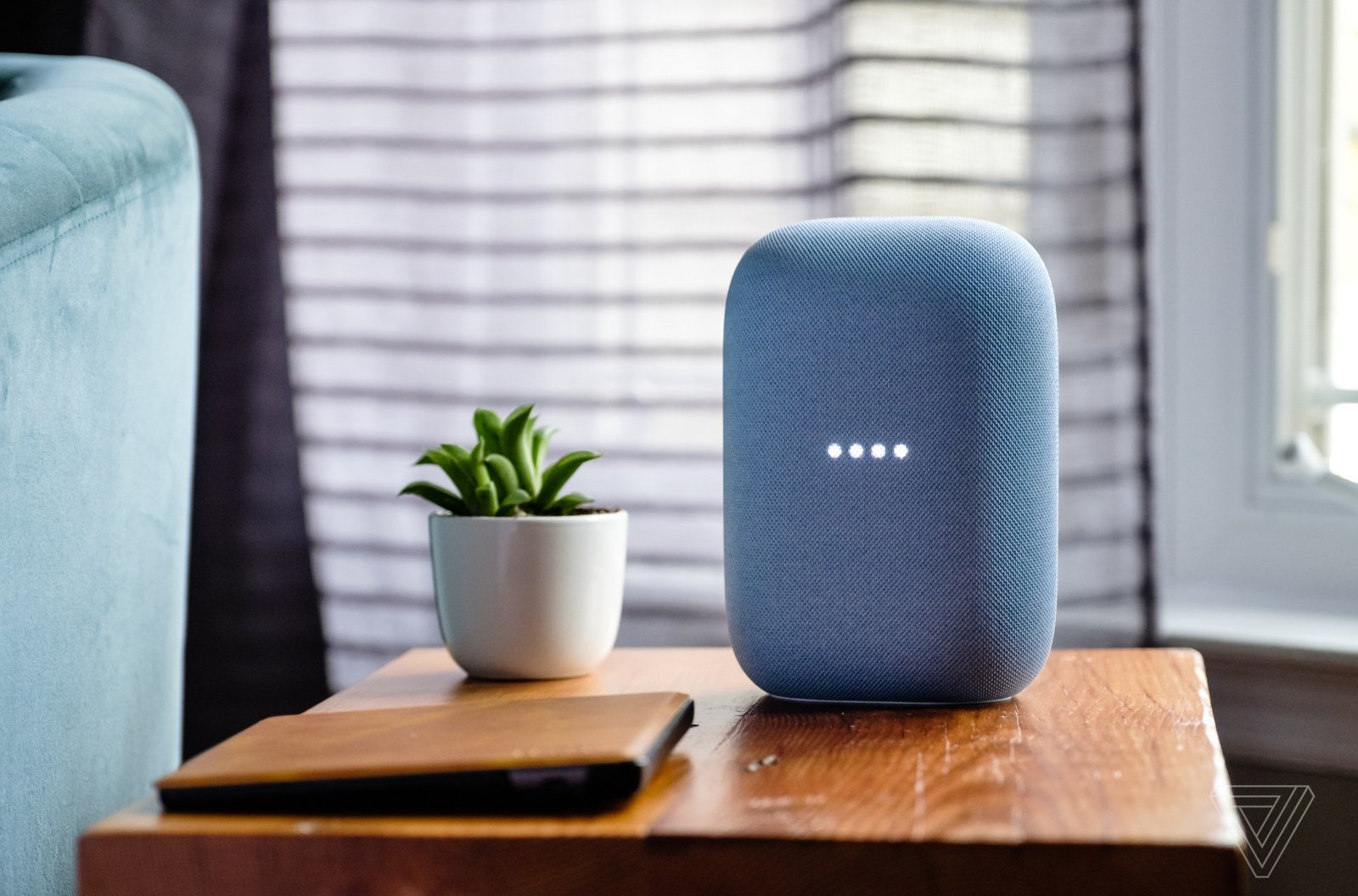
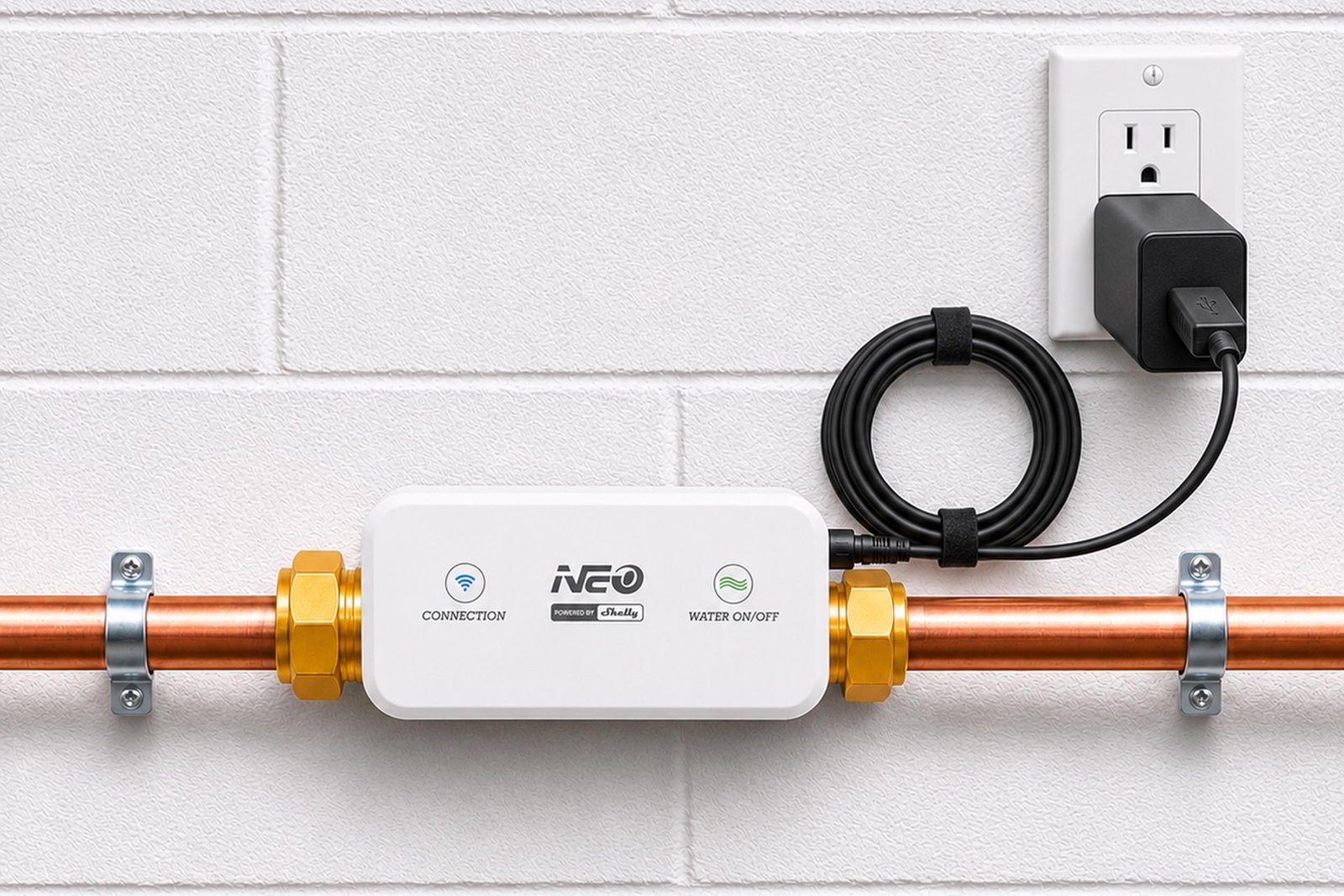
When planning a modern living space or commercial office, adding a centralized touch display on the wall seems like a clean way to manage lighting, air conditioning, and security cameras. The release of dedicated smart displays such as the Apple HomeView highlights growing interest in dedicated wall controllers. However, a recent teardown published on The Verge revealed that compact smart displays pack displays, speakers, and logic boards into tightly glued aluminum frames that are very difficult to disassemble or service. For property owners and office managers looking to mount a smart home wall hub in Singapore, understanding the physical installation challenges is just as important as choosing software features.
Mounting a Smart Home Wall Hub in Singapore Homes
Most residential apartments and commercial properties across Singapore feature solid concrete walls rather than hollow drywall studs. Drilling into structural concrete to recess a tablet or display panel requires careful advance planning. Leaving a power cord hanging down the wall toward a floor socket ruins the clean interior look that owners want when investing in home automation.
During initial renovations or ceiling works, our technicians run concealed conduit through partition walls or drop ceilings down to standard gang boxes. If you are retrofitting an existing space where hacking concrete is out of the question, customized slimline surface trunking or mounting brackets can house the necessary low-voltage step-down converters. Making sure that the device sits securely at eye level around 1.4 to 1.5 meters from the floor allows comfortable touch operation for everyone in the room.
Managing Heat Dissipation in High Humidity Environments
Hardware teardowns show that slim smart screens rely heavily on their aluminum backplates to absorb and radiate heat away from the main processors. In an air-conditioned office running twenty-four hours a day, thermal dissipation happens naturally. Yet in Singapore apartments where air conditioning is turned off while occupants are away, indoor temperatures often reach 32 degrees Celsius with humidity consistently exceeding 80 percent.
If an aluminum chassis is pressed flat against a sealed wall cavity without airflow, heat builds up quickly behind the logic board. Over time, trapped heat reduces screen brightness, degrades internal capacitors, and causes unexpected wireless dropouts on WiFi and Thread networks. When our team installs wall controllers, we incorporate subtle rear standoff spacing and ventilated wall plates. This passive airflow channel lets heat escape naturally without exposing unsightly wiring.
Power Delivery and Network Cabling Workmanship
Consumer smart hubs usually come with standard wall warts or USB-C power bricks intended for desktop use. When transferring these units to permanent wall positions, relying on loose consumer chargers tucked behind plasterboard can lead to loose connections or voltage drops over long wire runs.
A dependable smart home installation pairs wall displays with clean DC power distribution or Power over Ethernet (PoE) splitters located in a central distribution box (DB) or network cabinet. Through professional Synoviz smart home and cabling services, we pull pure copper Cat6 network cables directly to key control locations. Dedicated data cabling provides stable bandwidth for streaming real-time feeds from front door intercoms and security cameras without overloading your everyday wireless network.
Integration with Smart Locks and Local Automation
A wall controller delivers the greatest convenience when it ties directly into everyday entry routines. In landed homes and retail shops, pairing a central touch console with digital door access locks, automated motorized roller blinds, and lighting scenes creates a unified control point. When a visitor presses the front doorbell, the wall console displays the camera stream immediately, allowing occupants to verify identity and unlock electronic latches with a single tap.
Because consumer electronics evolve rapidly and glued hardware makes single-component repairs impractical, building your setup on open modular architecture protects your investment. Running dedicated low-voltage wiring and Cat6 backbone lines ensures that even if you swap your front-end wall controller five years down the road, your underlying infrastructure remains solid and ready.
Professional Site Planning and Implementation
Whether you are outfitting a new condominium unit, upgrading an existing shophouse office, or configuring smart meeting rooms, practical hardware placement makes all the difference. Our experienced technicians assist with wall cutouts, cable termination, switchboard connections, and multi-protocol wireless bridge tuning to ensure smooth daily operation.
To schedule an on-site assessment for your residential or commercial automation project, contact the Synoviz WhatsApp at +65 8933 1660 or email sales@synoviz.com.