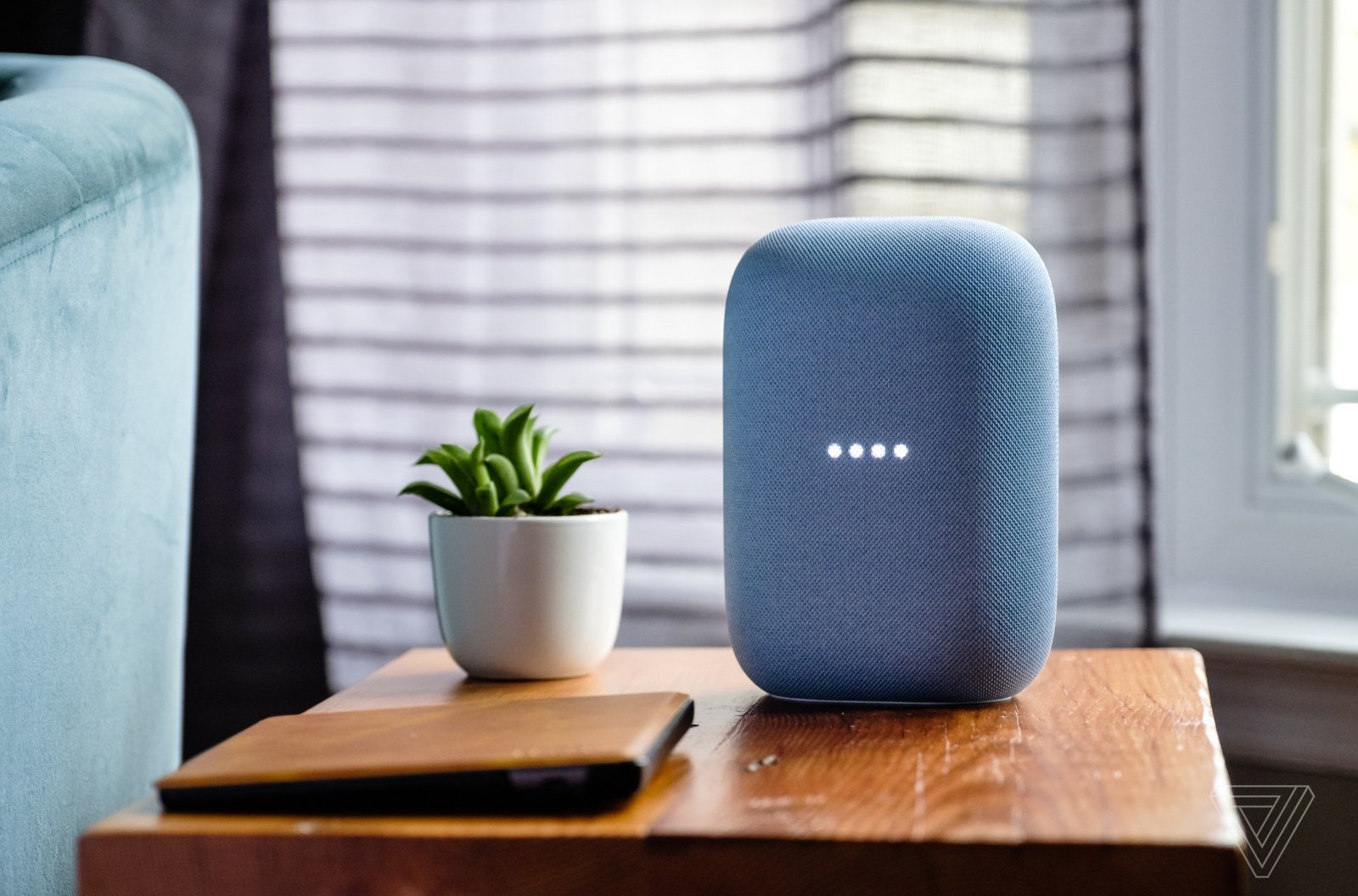
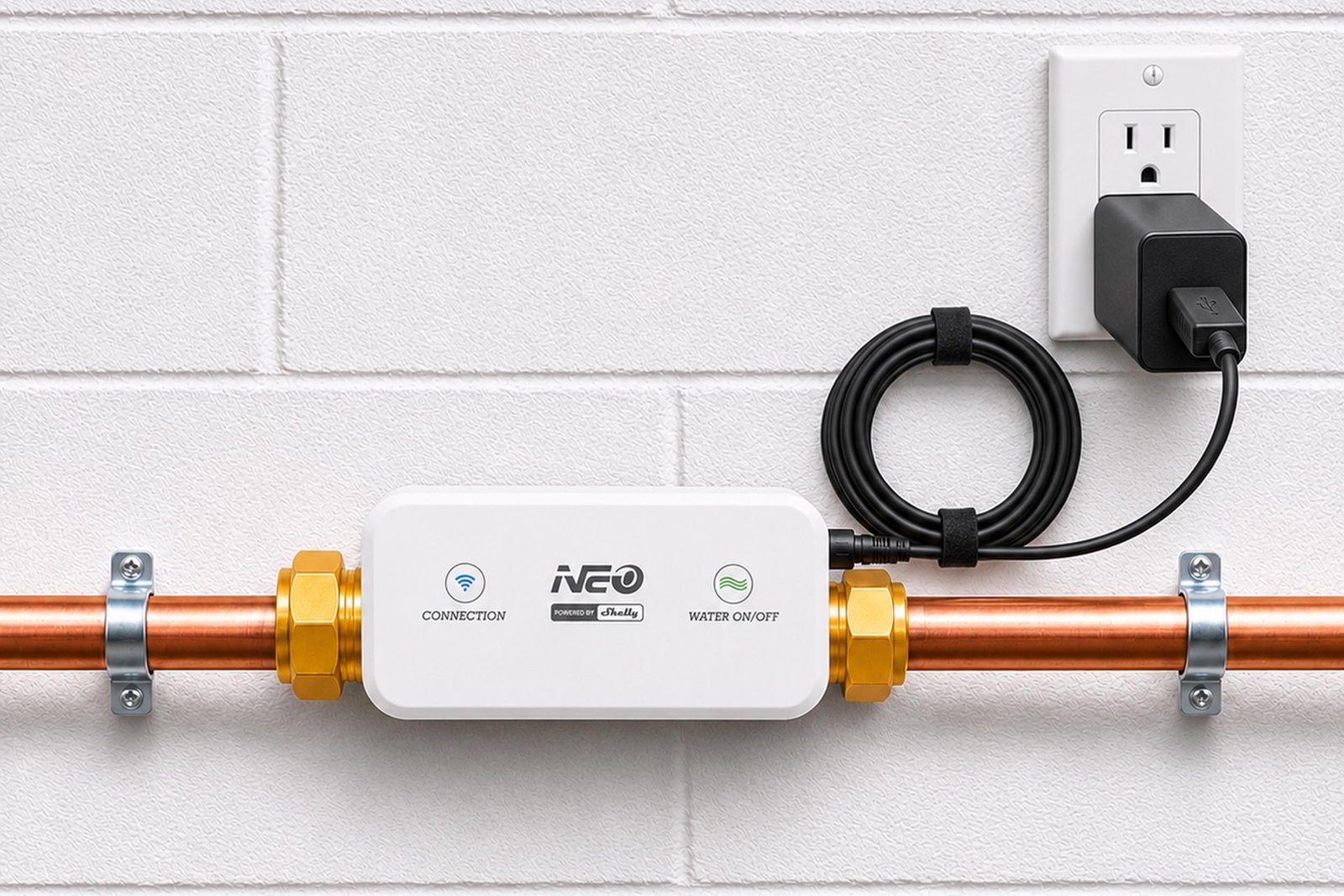
Recent industry reporting from The Verge coverage of smart security systems highlights how major telecom carriers are introducing Google Gemini intelligence into residential security packages. These updates allow users to search recorded video footage with natural language questions and receive summarized daily activity reports. While cloud intelligence sounds convenient on paper, property owners must understand that a practical smart home security camera setup in Singapore relies first on sturdy physical cabling and network stability. Dense concrete walls, limited Wi-Fi penetration, and tropical heat quickly degrade wireless battery cameras that try to stream continuous high-resolution feeds to external cloud servers.
Planning Your Smart Home Security Camera Setup in Singapore: Physical Cabling Over Wi-Fi
In Singapore shophouses, office units, and residential properties, thick reinforced concrete walls and precast columns create significant radio signal loss. Battery-operated wireless cameras often lose connection or suffer packet drops when streaming high-bitrate video through structural partitions. Furthermore, dense neighborhoods experience heavy 2.4GHz radio congestion from dozens of nearby routers. When multiple cameras attempt to upload motion clips simultaneously over wireless frequencies, bandwidth bottlenecks cause missed frames and delayed alert notifications.
Experienced technicians address this issue by running solid copper Cat6 network cables directly to each camera location. Supplying power and data through Power over Ethernet (PoE) switches eliminates wall adapters and eliminates the need for battery replacements. Dedicated network cabling provides consistent gigabit throughput, which is essential when feeding continuous video streams to on-site recording hubs. For neat interiors, technicians route cables through slim PVC mini-trunking or false ceilings, preserving clean wall aesthetics while maintaining direct wired connectivity.
Managing Network Bandwidth and VLAN Subnet Isolation
Intelligent camera systems generate constant local network traffic when indexing video events or transferring high-resolution video streams. Placing security cameras on the same flat local network as corporate workstations or home streaming devices introduces performance issues and network risks. If an unmanaged internet-connected device encounters a vulnerability, unsegmented traffic could expose other internal devices sharing that same local subnet.
A reliable smart home security camera setup in Singapore uses virtual local area network (VLAN) segmentation. Network administrators map IP cameras and security controllers to an isolated VLAN on a managed switch. This dedicated subnet communicates with the local network video recorder (NVR) while firewall rules restrict direct access from guest devices. Synoviz commercial and residential network solutions configure these routing policies to keep video feeds contained within private subnets, ensuring external AI query indexing cannot bypass local network protections.
Camera Placement and Environmental Considerations in Singapore
Deploying optical sensors across tropical environments presents distinct physical challenges. Singapore experiences intense sunlight, high ambient humidity, and heavy tropical rain showers. Mounting cameras near exterior entryways or glass doors requires proper dynamic range adjustment to avoid washed-out footage caused by harsh backlighting. In addition, exterior camera housings must offer weather-resistant IP ratings and drip loops along incoming cables to prevent rainwater from entering RJ45 connection ports.
Technicians calibrate camera fields of view during physical installation, verifying that motion detection zones cover entry doors, corridors, and delivery drop points without capturing unnecessary street traffic. Proper angle adjustments ensure that automated object recognition and facial detection engines receive crisp, well-lit video frames rather than silhouetted images. Clean termination and testing verify that signal loss remains within standard specifications across every cable run.
Preventive Maintenance and Professional Workmanship
A security installation requires ongoing hardware care to operate reliably over many years. Periodic maintenance visits verify that PoE switch ports supply steady voltage, network patch leads remain securely locked into place, and camera lenses remain free from tropical dust or moisture film buildup. Regular firmware updates applied through managed network controllers protect camera systems against emerging software bugs.
Investing in proper structured cabling and clean network architecture ensures that upcoming AI camera search features deliver dependable results across your property. Whether you are updating an existing camera layout or wiring a new location, Synoviz cabling and CCTV installation services deliver neat workmanship and stable network performance tailored to local building layouts. For customized cabling, CCTV camera mounting, or VLAN network isolation, contact the Synoviz WhatsApp at +65 8933 1660 or email sales@synoviz.com to schedule an on-site consultation.