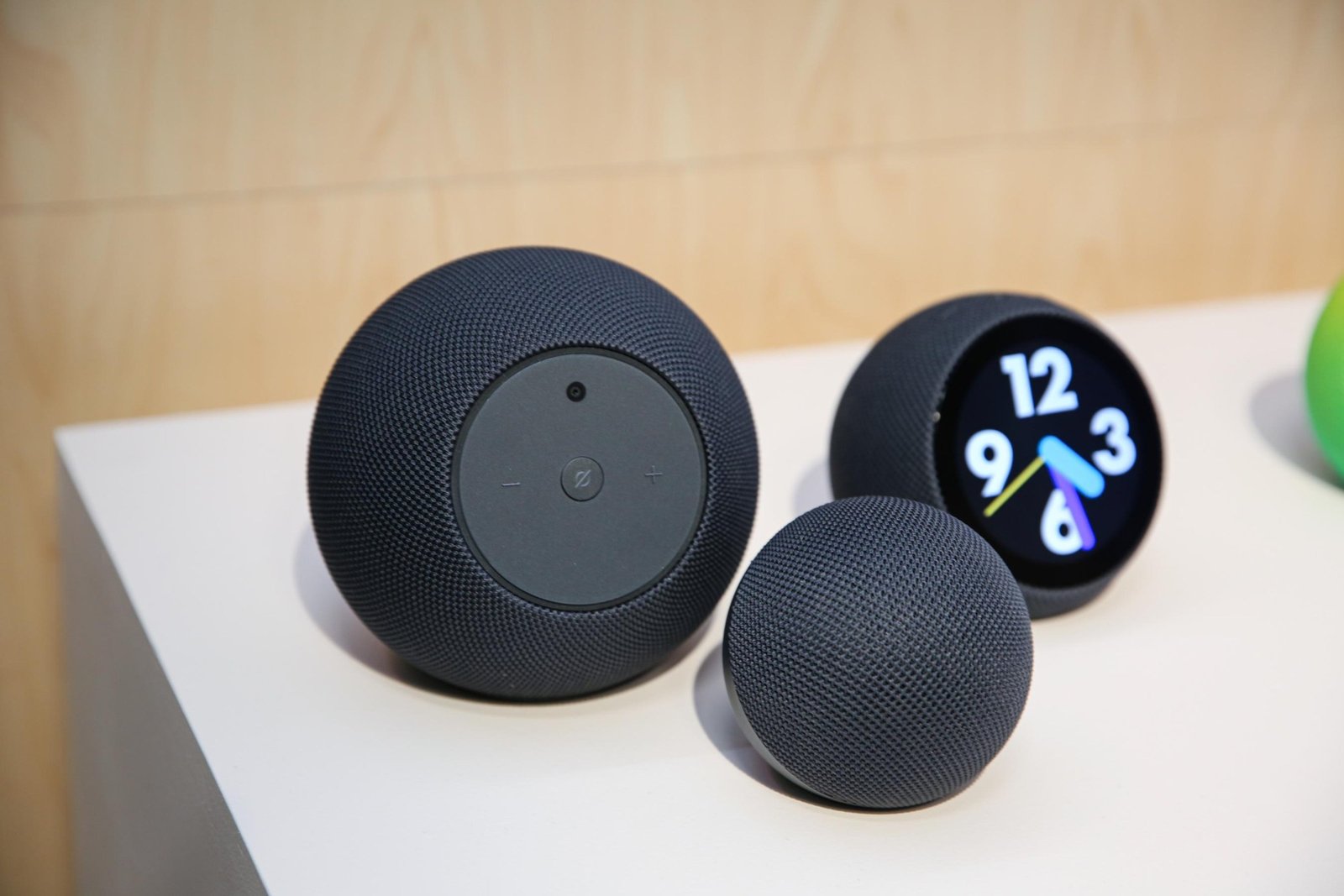
Consumer electronics makers are adding multi-protocol radios to their desktop hardware. In recent reporting on The Verge covering Amazon latest hardware announcements, new hubs combine Matter controllers, Thread border routers, and ambient sensors into single compact units. While plug-and-play gadgets look simple in product videos, getting multiple sensors, switches, and cameras to communicate reliably across a real building presents distinct technical challenges.
For property owners planning a dependable smart home hub installation in Singapore, physical building structures often complicate wireless transmission. Dense reinforced concrete pillars, thick partition walls, and household bomb shelters absorb 2.4 GHz and Sub-GHz radio signals. When battery-powered sensors lose mesh contact with a lone tabletop hub in the living room, automated routines fail and door sensors drop offline.
Overcoming Radio Obstacles with Smart Home Hub Installation in Singapore
Singapore residential apartments and commercial shophouses share common structural characteristics that disrupt wireless mesh networks. High-density concrete walls absorb radio waves quickly, creating stubborn dead zones across bedrooms, wet kitchens, and outdoor service yards.
Relying on a single retail smart hub tucked behind a television console causes persistent signal latency. To build an uninterrupted smart ecosystem, field engineers deploy Thread border routers and secondary repeating nodes at measured intervals. Distributing mains-powered repeating units along primary hallways ensures that battery-operated motion detectors, temperature sensors, and contact switches maintain continuous mesh pathways back to the primary gateway.
Establishing Dedicated Cat6 Backbones and Ethernet Gateways
A resilient automation architecture depends on a wired foundation. While consumer hubs offer basic wireless bridging, enterprise installations prioritize wired Ethernet backbones. Running solid copper Cat6 cables from the central distribution rack directly to key hub locations removes unnecessary load from the wireless router.
Through our structured Synoviz installation and cabling services, cables run cleanly through concealed false ceilings or neat PVC trunking along skirting boards. Connecting primary smart gateways directly to managed switch ports provides stable local packet routing, lower response times for lighting automations, and immediate recovery following broadband service interruptions.
Managing Device Protocols Across Matter, Thread, and Zigbee
Modern connected spaces rarely operate on a single wireless standard. A typical premises may feature Matter-over-Thread door locks, Zigbee curtain motors, and Wi-Fi security cameras. Coordinating these disparate subsystems requires careful frequency planning and channel separation.
Because Wi-Fi access points and Zigbee networks both operate on the crowded 2.4 GHz spectrum, channel overlap causes packet collisions and sluggish automation triggers. Experienced technicians configure 2.4 GHz Wi-Fi channels on fixed bands (such as channels 1, 6, or 11) while assigning Zigbee hubs to non-overlapping frequencies (such as channel 25). This deliberate frequency separation keeps automation commands instantaneous even when multiple laptops and mobile devices stream high-bandwidth video across the office or home network.
Surveillance and Sensor Coordination for Commercial Suites
In executive commercial offices and boutique retail outlets, smart automation extends beyond convenience into daily security and access oversight. Integrating compact presence sensors with auxiliary cameras allows facility operators to track conference room occupancy and monitor entrance zones without installing intrusive industrial hardware.
Synoviz designs and deploys unified IoT and smart home solutions that bridge door contact sensors, smart lighting relays, and IP surveillance cameras into accessible administrative dashboards. When an entrance door opens after operating hours, connected lighting can illuminate the doorway while localized sensors signal the recording server to flag high-resolution video clips for verification.
Preventive Maintenance and Long-Term Ecosystem Health
Smart home hardware requires ongoing attention to remain reliable. Wireless interference patterns change when neighbors install new mesh routers, while periodic firmware patches can occasionally alter device pairing parameters.
Routine preventive checks ensure that radio signal strength across all mesh zones remains stable, sensor batteries report healthy voltages, and network switches operate within normal thermal tolerances. Conducting regular maintenance visits keeps automation rules responsive and hardware performing at peak reliability year after year.
Professional Smart Automation Services with Synoviz
Synoviz delivers end-to-end engineering, hardware procurement, and practical deployment services for residential and commercial automation projects in Singapore. Our team manages structured Cat6 cabling, rack assembly, wireless network optimization, multi-protocol hub integration, and customized smart lighting configuration.
Whether you want to eliminate wireless dead zones in a multi-story residence or deploy responsive IoT controls in a corporate workplace, our experienced technicians provide clean craftsmanship tailored to your space.
To arrange an on-site consultation or request a quotation for your smart automation project, contact the Synoviz WhatsApp at +65 8933 1660 or email sales@synoviz.com.