Google announced major software changes that affect every google nest smart home singapore setup. Starting January 25, 2027, Google will permanently shut down the standalone Nest app in favor of the Google Home app. Later, on August 2, 2027, Google Assistant will retire. Gemini for Home will replace it on smart speakers and displays. Singapore property owners and office managers who rely on Nest hardware now have clear dates to plan around.
Key Deadlines for Google Nest Smart Home Singapore Users
According to reporting from The Verge, Google plans a phased retirement. The first major milestone arrives on January 25, 2027, when the Nest app stops functioning. Users must manage their Nest thermostats, cameras, and Nest Protect smoke alarms directly inside the Google Home app. If you link your accounts early, Google will migrate your cameras and video history automatically.
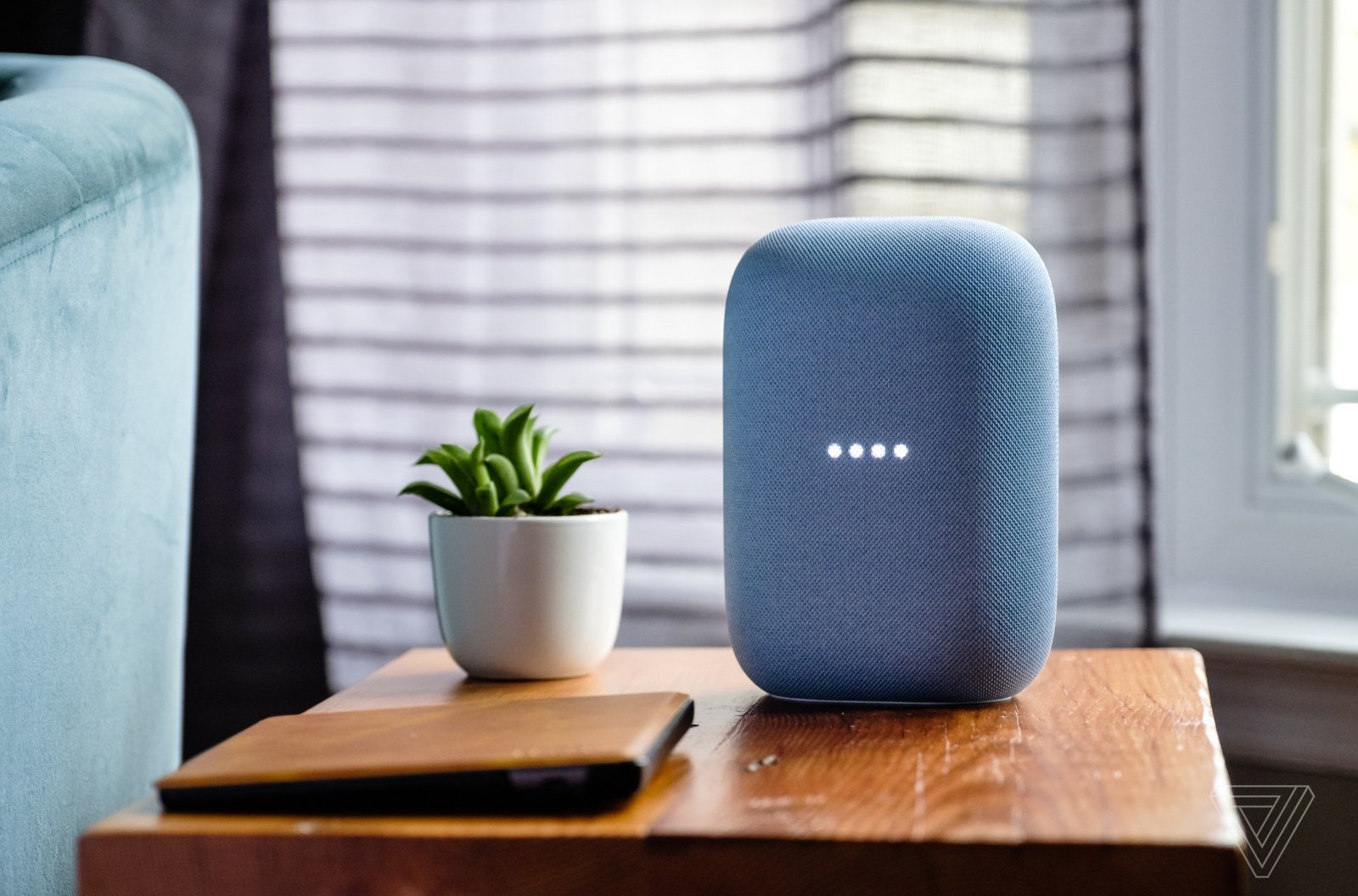
The company will also shift first-generation Nest Aware subscriptions into Google Home Premium plans. Two months later, on March 25, 2027, Google starts deleting legacy Nest account data. The next phase arrives on August 2, 2027. Gemini for Home will take over on Nest Audio, Nest Mini, and Nest Hub displays. Gemini handles natural conversations better, but it also alters how custom voice automations and third-party scripts execute.
What the Nest App Shutdown Means for Cameras and Hardware
Many apartments and commercial units in Singapore still run older Nest Cam Indoor, Nest Cam Outdoor, and Nest Hello doorbells. While the physical hardware remains functional, managing these cameras through Google Home changes daily monitoring. Google Home uses a different layout from the legacy Nest interface. Reviewing scrubbable video timelines feels noticeably different.
When running cloud cameras in Singapore, network bandwidth and Wi-Fi stability present real hurdles. Reinforced concrete walls in local high-rise buildings often degrade 2.4 GHz and 5 GHz wireless signals. When a camera sits outside a heavy front door, weak signal strength causes dropped frames. It also delays motion alerts. Moving to Google Home will not fix underlying signal drops. Property owners must ensure reliable local access points and adequate upstream bandwidth to keep streams smooth.
Hardware and Network Considerations in Singapore Buildings
Solid concrete construction common across Singapore residential and commercial properties creates unique networking challenges. Voice commands to a kitchen Nest Hub often fail when structural walls block the router. Concrete absorbs high frequency Wi-Fi quickly. Gemini for Home processes voice queries with richer context, which requires low-latency internet connectivity to avoid awkward response pauses.
To prepare your space for the 2027 transition, consider the following practical hardware steps:
- Review all active Nest devices across your property, checking whether each unit connects via Wi-Fi or wired network adapters.
- Migrate your Nest account into Google Home before the January 2027 deadline to safeguard existing camera clips and device routines.
- Install dual-band access points or dedicated Ethernet backhaul so every speaker and display receives consistent signal strength.
- Test third-party smart switches and sensor automations inside Google Home to confirm routines trigger without lag.
- Plug smart displays and cameras into surge-protected outlets. This prevents voltage spike damage during heavy tropical thunderstorms.
Local Network Wiring and Hybrid Automation Solutions
While voice assistants provide convenient hands-free control, relying purely on cloud-based systems has drawbacks. Cloud platform transitions remind homeowners that offsite servers dictate device lifecycles. Many Singapore property owners now build hybrid smart home systems. They pair voice displays with local equipment that runs even when internet service drops.
Synoviz helps clients build dependable infrastructure through professional smart space and security solutions. Our experienced technicians run Cat6 data cabling, install commercial-grade PoE switches, and set up local NVR storage. Local network video recorders let IP cameras record 24/7 on-site. You avoid recurring cloud fees and never worry about service shutdowns. We also deliver end-to-end structured cabling and maintenance services, ensuring clean cable trunking and neatly patched server racks.
For tailored recommendations, contact the Synoviz WhatsApp at +65 8933 1660 or email sales@synoviz.com to discuss practical on-site options.