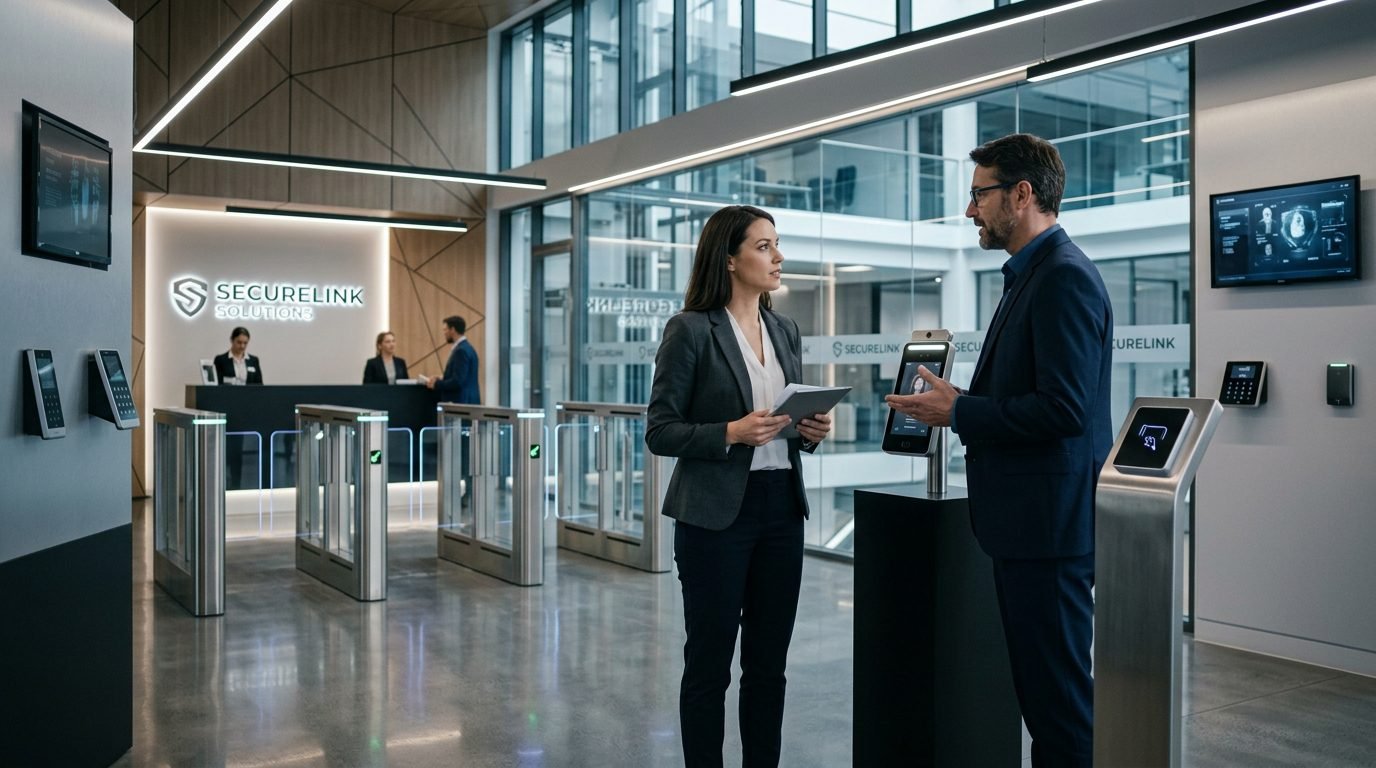
Selecting the right door access hardware requires matching security requirements to daily employee throughput. An entry system that works well for a 5-person accounting office will cause frustrating morning queues at a 150-person tech company or a distribution center in Singapore. Understanding the trade-offs between PIN keypads, RFID smart cards, and biometric terminals helps facility managers invest wisely.
Comparing Common Commercial Access Methods
1. Standalone PIN Keypads
Keypads require users to type a 4-to-8-digit numerical code. They are cost-effective and eliminate the need to carry cards or phones. However, PIN codes are easily shared among coworkers, texted to delivery drivers, or observed by onlookers. Keypads suit low-risk internal areas like stationery store rooms or document archives, but should never guard primary entrance doors or server rooms.
2. RFID Smart Cards (Mifare / DESFire)
RFID card systems offer quick, reliable operation with complete timestamp logging for every door tap. They integrate easily with attendance software and building turnstiles. The primary limitation remains physical badge management: cards can be misplaced, forgotten, or handed to colleagues to bypass time-tracking rules.
3. Biometric Terminals (Fingerprint & Facial Recognition)
Biometric authentication links access directly to physical identity. It prevents buddy punching and eliminates badge printing costs. Facial recognition terminals with anti-spoofing cameras process verification in under 0.5 seconds, making them ideal for high-throughput reception doors, turnstiles, and high-security cleanrooms.
Critical Architectural Hardware Considerations
Beyond the reader itself, proper physical door preparation dictates reliability:
- Frameless Glass Doors: Require dedicated U-bracket mountings for electromagnetic locks to avoid drilling into tempered architectural glass.
- Dropbolt vs. EM Lock: Double-swing glass doors often need motorized dropbolt locks, whereas single-swing fire-rated doors pair with electromagnetic surface locks.
- Fail-Safe Configuration: Commercial office access must be configured as fail-safe (locks release automatically when power drops) to comply with SCDF evacuation requirements.
For custom hardware specifications and professional door access installation across Singapore, reach Synoviz at +65 8933 1660.