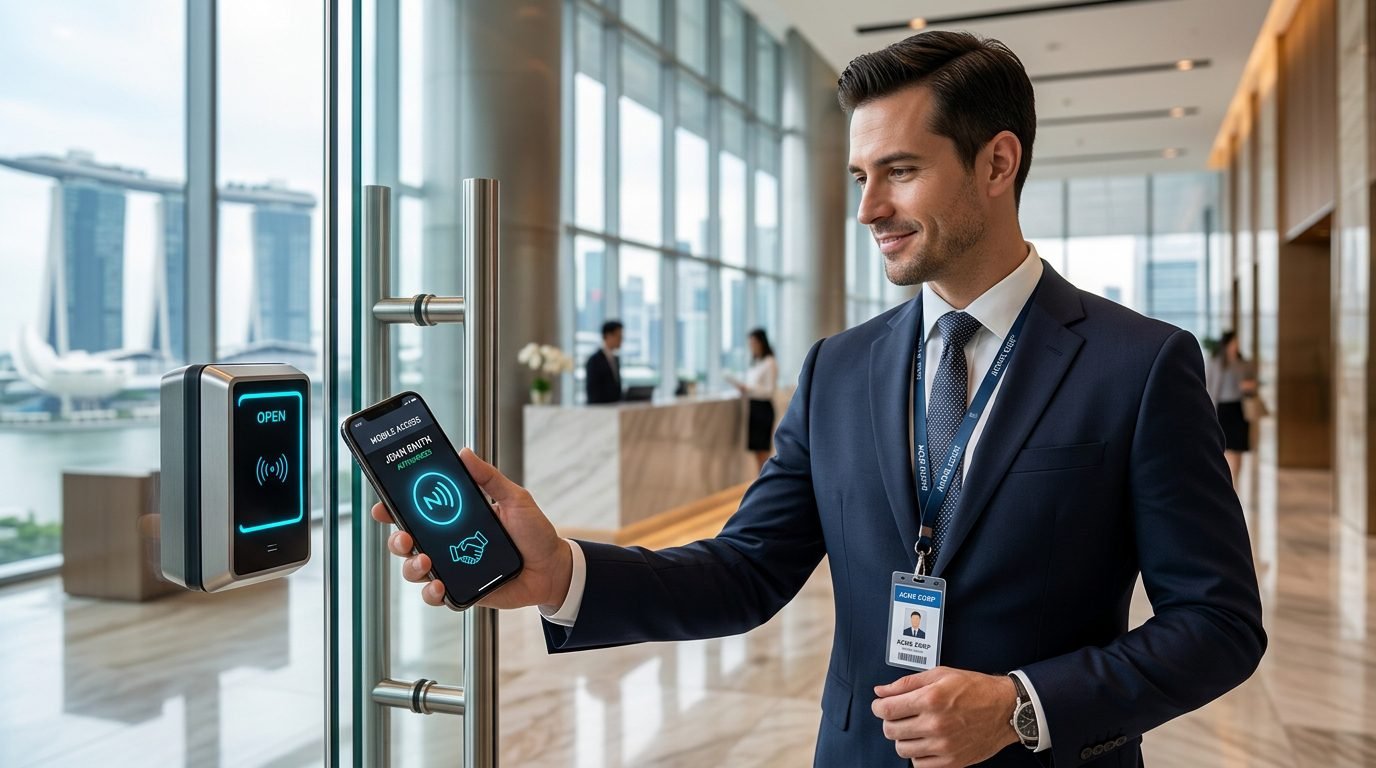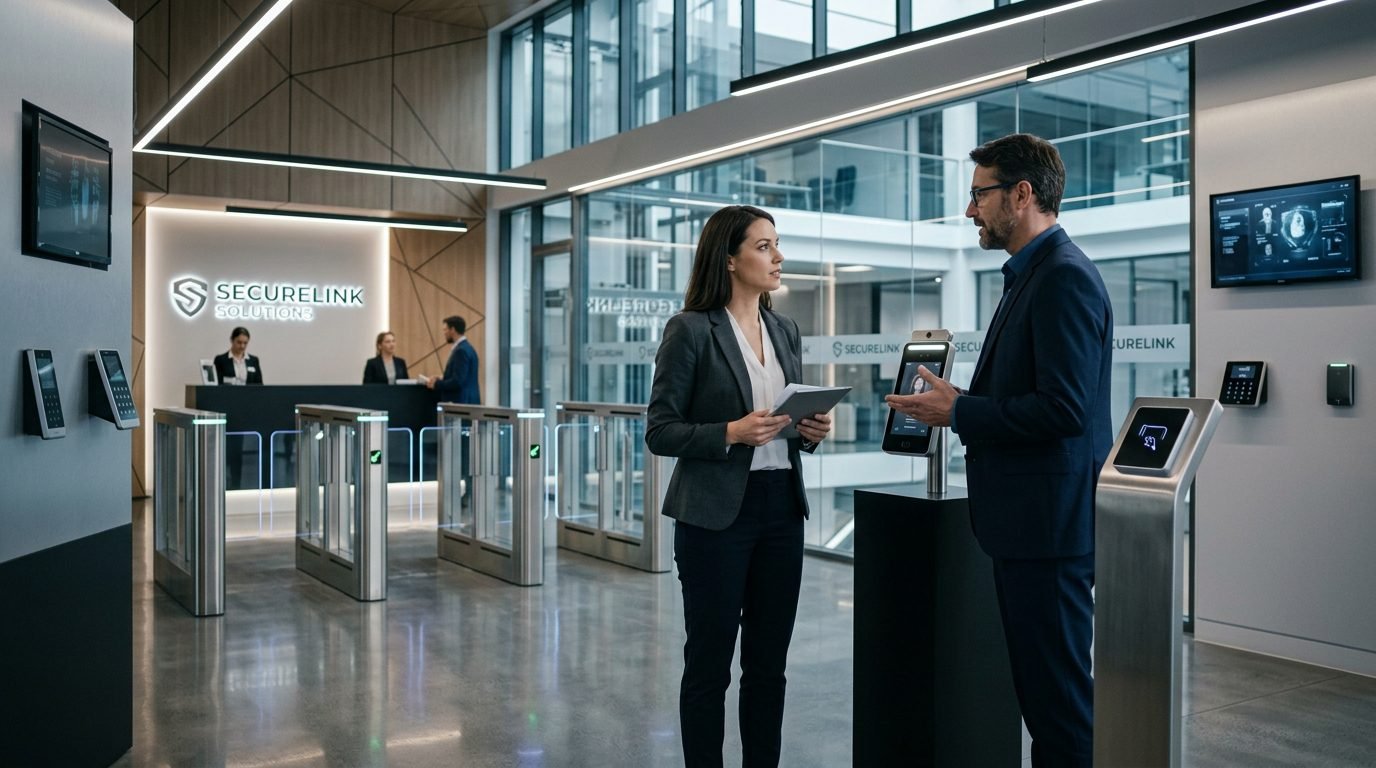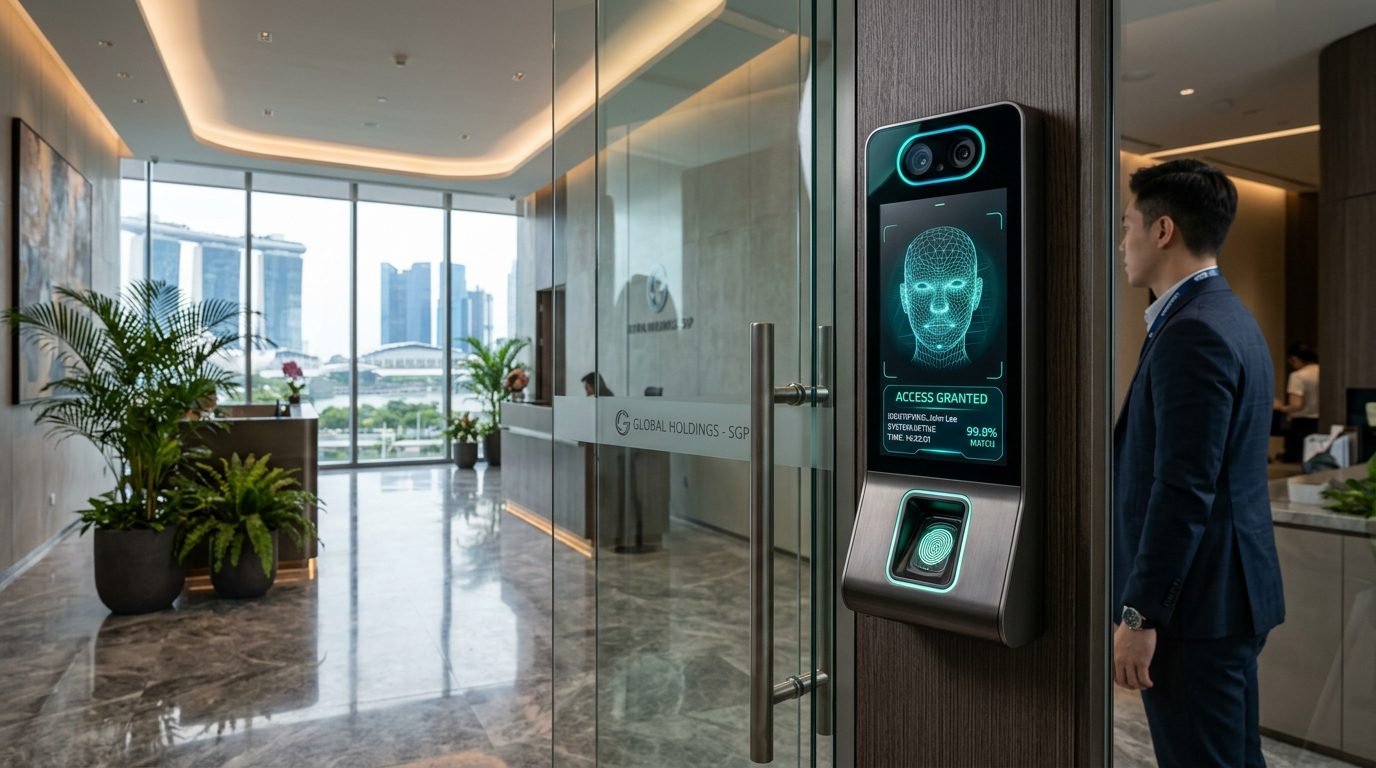
Smart keycards solve physical key problems, but they still carry vulnerabilities: cards can be lent to coworkers, lost during commutes, or forgotten at home. Biometric access control links door permissions directly to a person’s biological identifiers. In Singapore corporate offices, research labs, and server rooms, fingerprint and facial recognition systems eliminate buddy-punching, enforce strict access tiers, and speed up entry throughput.
Fingerprint vs. Facial Recognition: Comparing Practical Performance
Both technologies serve distinct workplace layouts depending on traffic volume and hygiene requirements:
1. Fingerprint Access Terminals (Anviz M3 / T5 Pro)
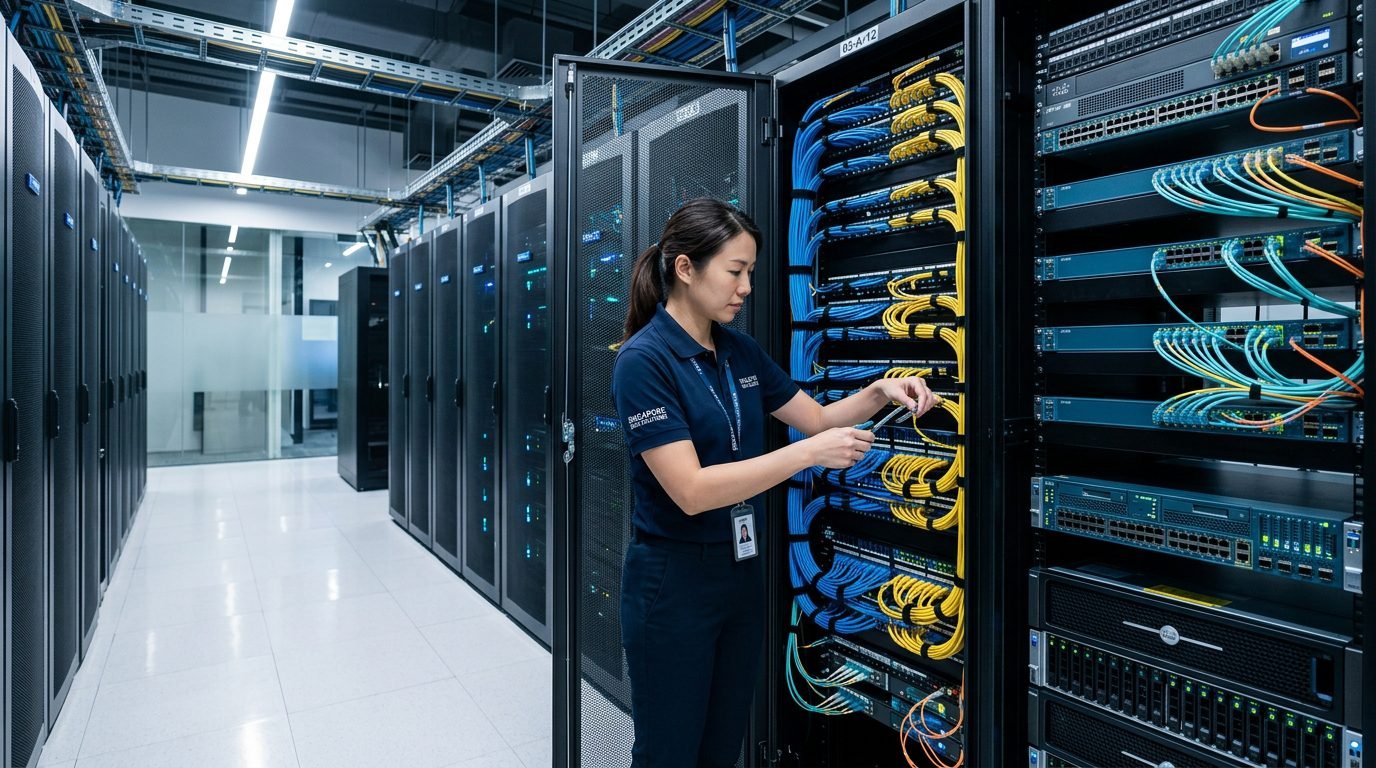
Optical and capacitive fingerprint scanners provide dependable verification for interior doors, storage rooms, and server rooms. Modern scanners evaluate subsurface dermal ridges, preventing spoofing attempts with silicone molds or paper prints. Fingerprint systems suit stable indoor environments with moderate foot traffic.
2. AI Dual-Lens Facial Recognition Terminals
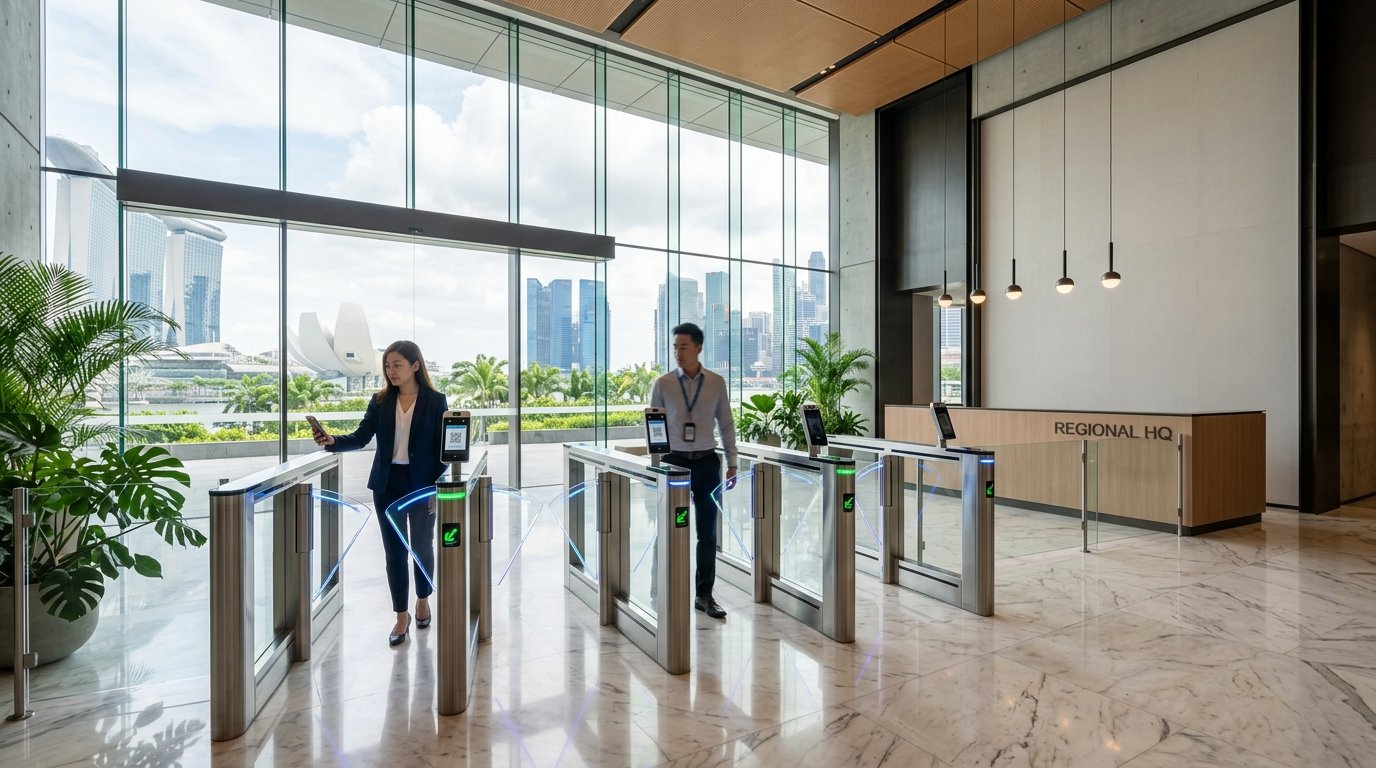
Facial recognition has become the standard for main corporate lobbies, glass entrance turnstiles, and healthcare facilities. Dual-lens visible light and infrared cameras measure facial geometry and depth in 0.3 seconds. Because the reader operates hands-free at distances up to 1.5 meters, it provides smooth entry for staff holding laptops or coffee cups without bottlenecking the entrance.
Privacy and PDPA Compliance in Singapore
Deploying biometrics in Singapore requires strict adherence to Personal Data Protection Act (PDPA) regulations. Commercial biometric terminals from established manufacturers like Anviz do not store actual photographic pictures of faces or raw fingerprint images. Instead, the terminal converts biological features into an irreversible proprietary mathematical hash string. This cryptographic template cannot be reconstructed into a photo even if the controller database were accessed.
Installation Standards for Reliable Daily Operation
- Mounting Height: Facial terminals should be mounted with the camera lens positioned at 1.45 to 1.5 meters from finished floor level to accommodate staff heights between 1.4 and 1.9 meters comfortably.
- Lighting Positioning: Avoid mounting facial recognition cameras directly facing floor-to-ceiling perimeter windows where morning or late-afternoon sunlight creates backlight silhouettes.
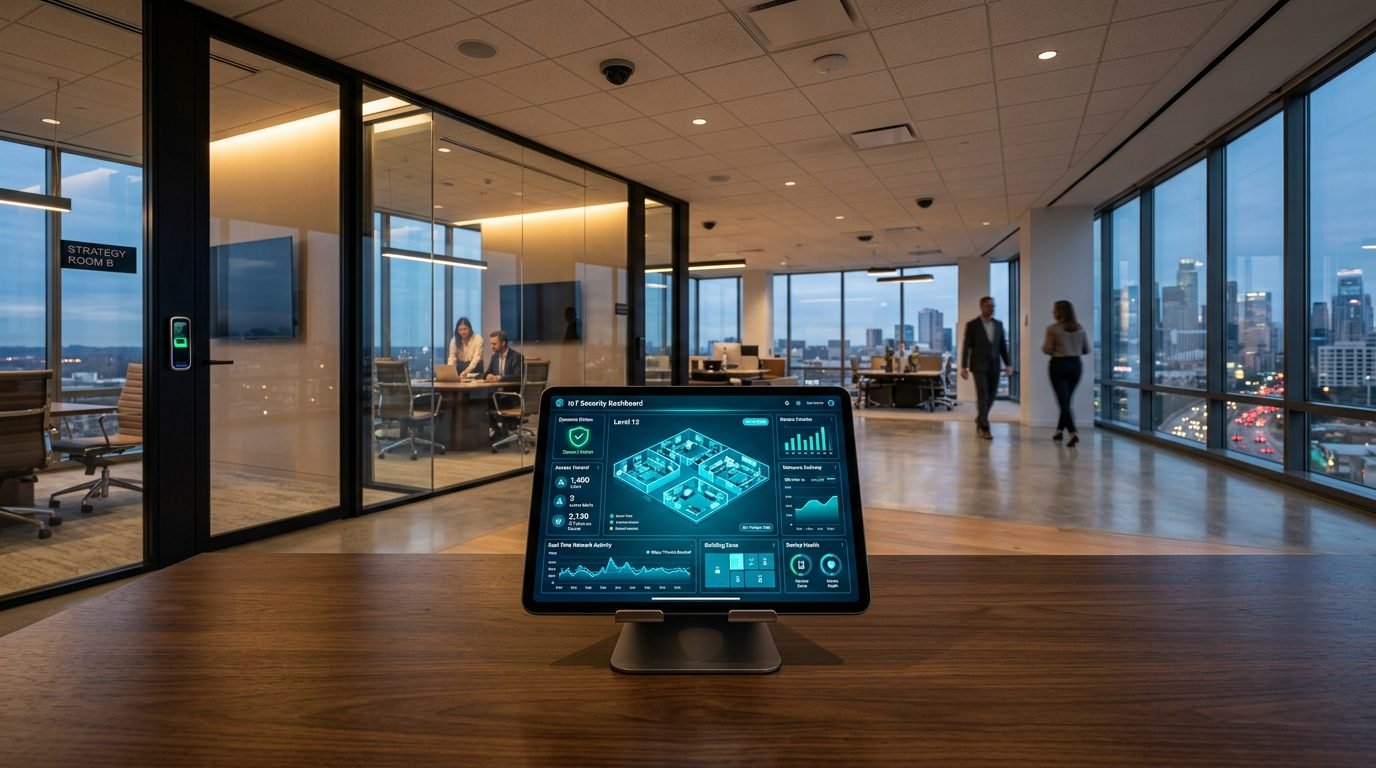
- Network Isolation: Keep biometric access controllers on a dedicated VLAN separate from guest Wi-Fi and general office workstations.
To upgrade your office doors with certified biometric hardware, contact Synoviz’s technical team at +65 8933 1660.